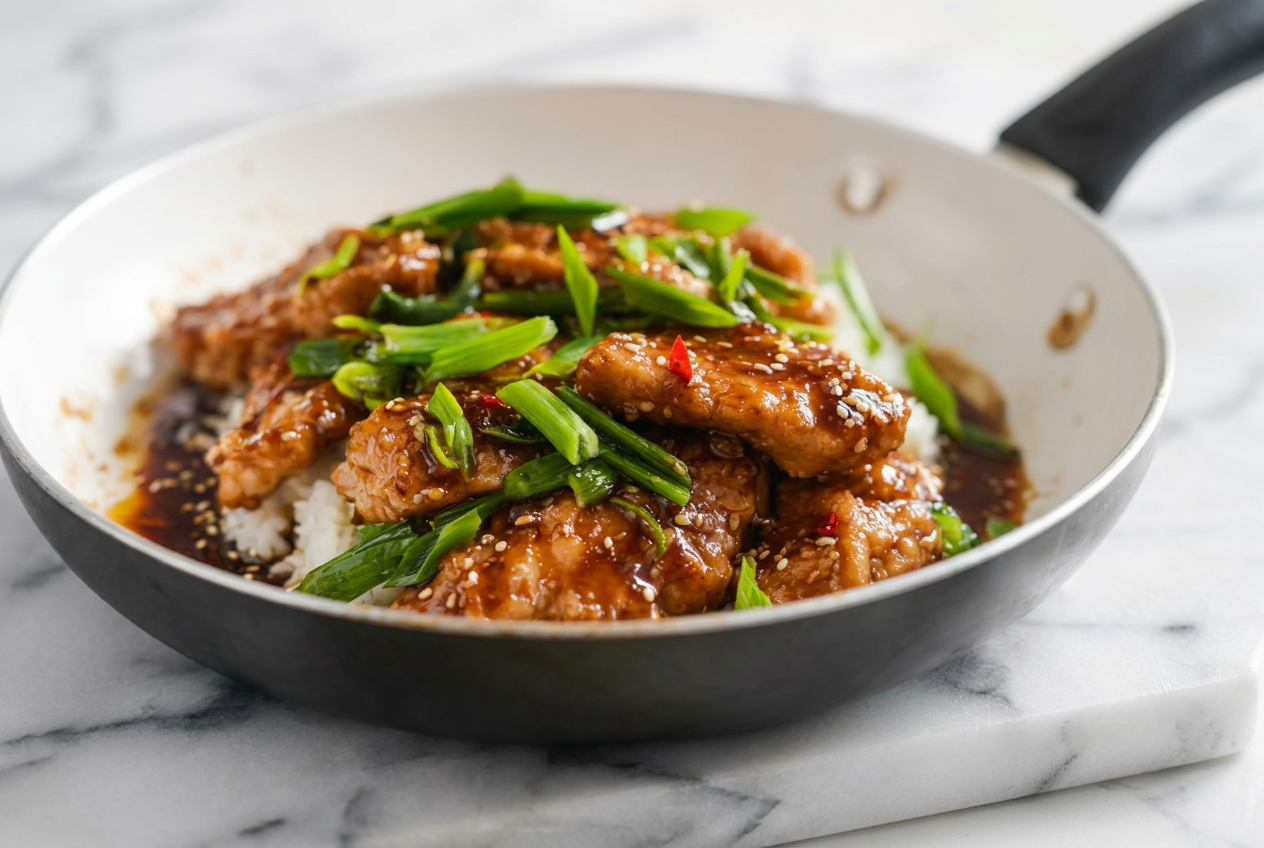
If you enjoy the flavors of Mongolian chicken but want a version that’s lighter and easy to make at home, this recipe offers a delicious alternative. We’ll show you how to create a rich sauce and achieve tender chicken, making this a satisfying option for a quick weeknight meal that can align with your health goals.
Why You’ll Love This Mongolian Chicken
Tender Chicken: A simple 15-minute velveting marinade helps the chicken stay moist and tender. This technique, using soy sauce, vinegar, and cornstarch, locks in moisture, resulting in juicy chicken.
Flavorful Sauce: The sauce balances savory and sweet notes with garlic and ginger. Using less sugar and low-sodium soy sauce helps reduce the calorie and sodium content while maintaining a satisfying taste.
Quick to Prepare: This meal comes together in under 30 minutes, making it a convenient option for busy weeknights.
Great for Meal Prep: This recipe is an ideal option for weekly meal prep. The flavors can meld and deepen overnight, making leftovers a great option for the next day.
Ingredients
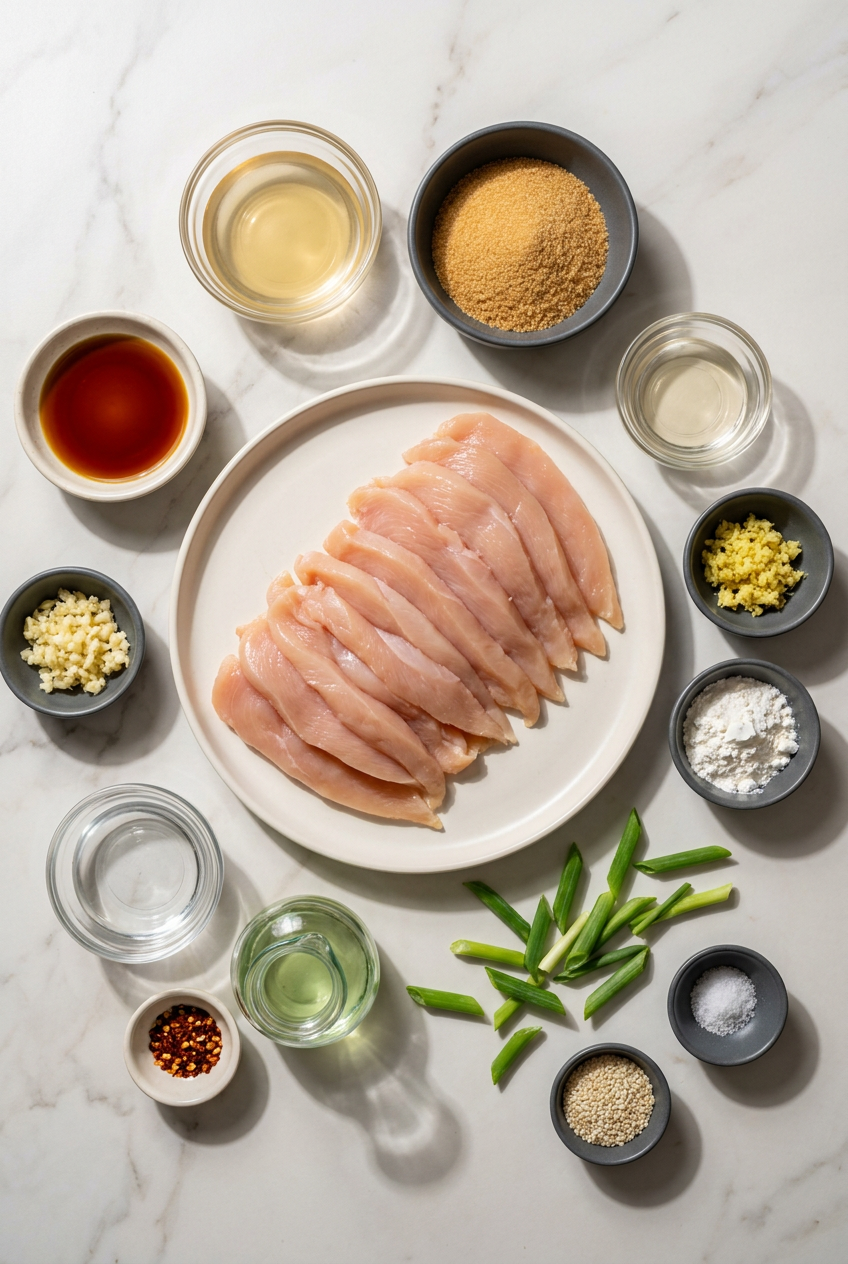
For this Mongolian chicken, you’ll likely have most of these ingredients on hand, making it easy to start cooking.
Ingredients
- 1.5 lb boneless, skinless chicken breasts, thinly sliced against the grain
- 1/3 cup low-sodium soy sauce
- 1/3 cup water or low-sodium chicken broth
- 1.5 tbsp brown sugar or zero-calorie brown sugar substitute
- 1 tbsp rice vinegar
- 4 cloves fresh garlic, minced
- 1 tbsp fresh ginger, finely grated
- 1.5 tbsp cornstarch, divided
- 2 tablespoons cold water, for slurry
- 1 tbsp avocado oil or light olive oil
- 1/2 tsp red pepper flakes
- 5 scallions (green onions), cut into 1-inch pieces
- 1 tsp sesame seeds
- 1 pinch salt
Ingredient Notes & Substitutions
Chicken: Chicken breast is a lean, high-protein choice for this recipe. If you prefer a richer flavor, boneless, skinless chicken thighs can be used, but adjust cooking time slightly. Always slice against the grain for maximum tenderness.
For a Gluten-Free Option: Tamari or coconut aminos are excellent 1:1 substitutes for low-sodium soy sauce, providing similar savory depth without gluten.
Sweetener: This recipe offers flexibility. Using a zero-calorie brown sugar substitute helps keep the calorie count down. Other options like coconut sugar or a touch of honey can also be used, but note they will alter the nutritional profile slightly.
Cornstarch: This ingredient is important for thickening the sauce and velveting the chicken. Arrowroot powder can be used as a 1:1 replacement for the cornstarch slurry, though the texture might be slightly different.
How to Make Mongolian Chicken
Preparing the Chicken and Sauce
- First, prepare the chicken. Pat the boneless, skinless chicken pieces completely dry with paper towels; this helps achieve a good sear. Then, slice them thinly against the grain into even, bite-sized strips. In a medium bowl, toss the chicken with a pinch of salt, 1 tablespoon of the low-sodium soy sauce (taken from the 1/3 cup), and 1/2 tablespoon of the cornstarch. Mix well to ensure each piece is coated. Let this marinate for at least 15 minutes, which helps to tenderize the chicken.
- While the chicken is marinating, whisk together the remaining soy sauce, water or broth, brown sugar substitute, rice vinegar, minced fresh garlic, finely grated fresh ginger, and the red pepper flakes in a small bowl. Set this flavorful sauce aside.
- In another small bowl, mix the remaining 1 tablespoon of cornstarch with 2 tablespoons of cold water until it’s completely smooth and free of any lumps. This smooth mixture is your cornstarch slurry, which will thicken the sauce later.
Cooking the Chicken and Building the Flavor
- Heat a large nonstick skillet or wok over medium-high heat. Add half of the avocado or light olive oil, swirling to coat the pan. You want the oil to be shimmering, indicating it’s hot enough.
- Carefully add half of the marinated chicken to the hot pan in a single layer, making sure not to overcrowd it. Cook for 2 to 3 minutes per side until it turns golden brown and is just cooked through. The cornstarch coating will help give it a crisp crust. Transfer the cooked chicken to a clean plate and repeat this step with the remaining oil and chicken.
- Reduce the heat to medium. If your pan looks a bit dry, you can add a small splash of water to help deglaze. Pour in the prepared sauce mixture and let it bubble gently for about 30 seconds. This step helps to bloom the garlic and ginger, intensifying their aromas and flavors.
- Give the cornstarch slurry a quick stir once more, then pour it into the bubbling sauce while stirring constantly. The sauce will become glossy and thick within 30-60 seconds.
Finishing and Serving
- Return the cooked chicken and any accumulated juices to the pan with the thick sauce. Add the scallions to the pan.
- Toss everything together until the chicken is completely coated in the sticky, savory sauce. Cook for just one minute more, allowing the scallions to turn bright green and slightly wilt, adding freshness.
- Taste the dish and adjust seasoning if needed; perhaps a touch more rice vinegar for brightness or a little extra sweetener for your desired balance. Sprinkle generously with sesame seeds if you like, and serve your delicious Mongolian chicken immediately.
Keys to Restaurant-Quality Results
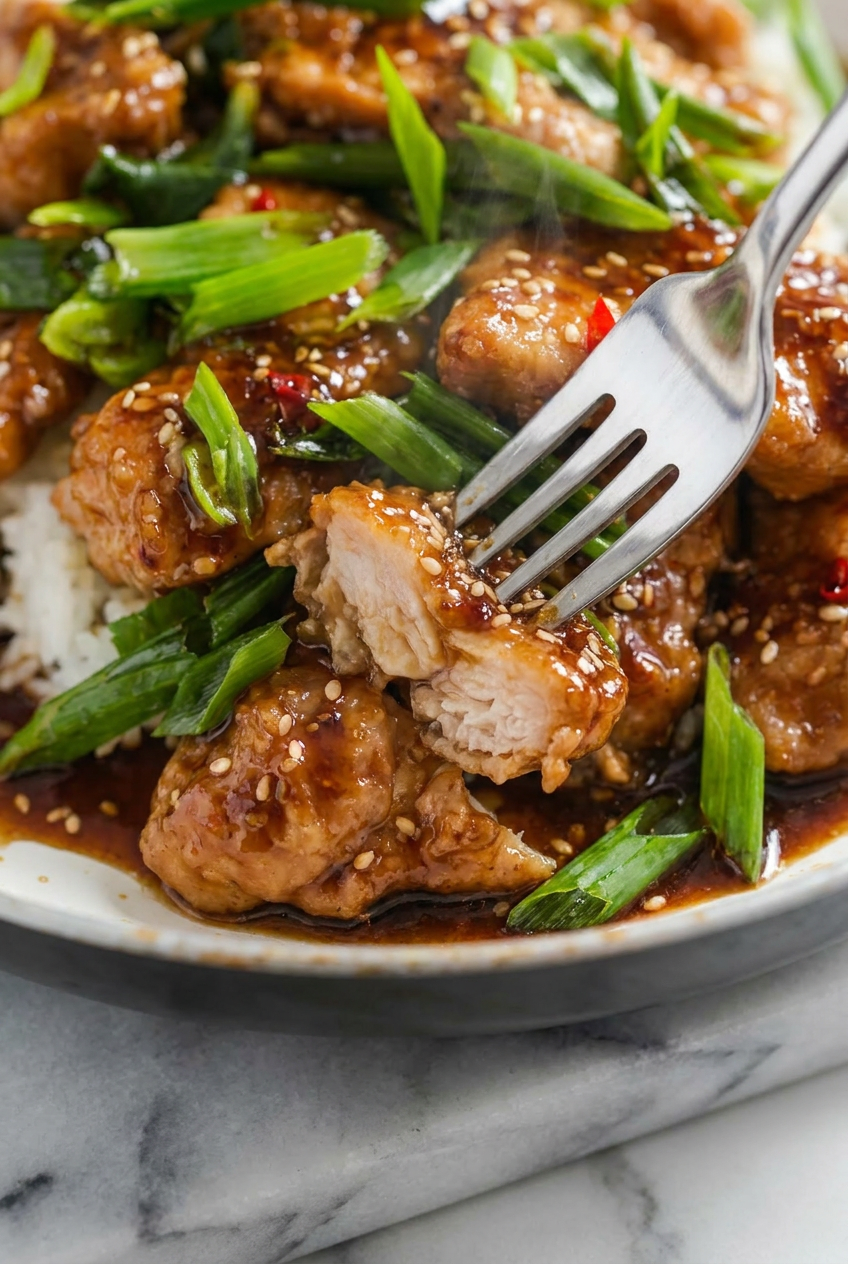
The Power of Velveting: Marinating the chicken with soy sauce and cornstarch before cooking helps it retain moisture. The cornstarch creates a protective coating during searing, contributing to tender, moist chicken.
Why a Cornstarch Slurry is Key: To achieve a smooth, glossy sauce without lumps, it’s essential to mix cornstarch with cold water first. This allows the starch molecules to disperse evenly, so when added to a hot liquid, the sauce thickens uniformly.
The Importance of High Heat: When searing your chicken, maintaining the right temperature is important. Using medium-high heat allows the chicken to develop a beautiful crust and rich flavor through the Maillard reaction. If the heat is too low, the chicken may steam; if it’s too high, it might burn before cooking through.
Don’t Crowd the Pan: This is an important rule for stir-frying and searing. Cooking the chicken in batches is critical. Overcrowding the pan dramatically drops its temperature, causing the chicken to steam instead of sear. This can lead to a rubbery texture and less browned edges.
Pro Tips and Common Pitfalls
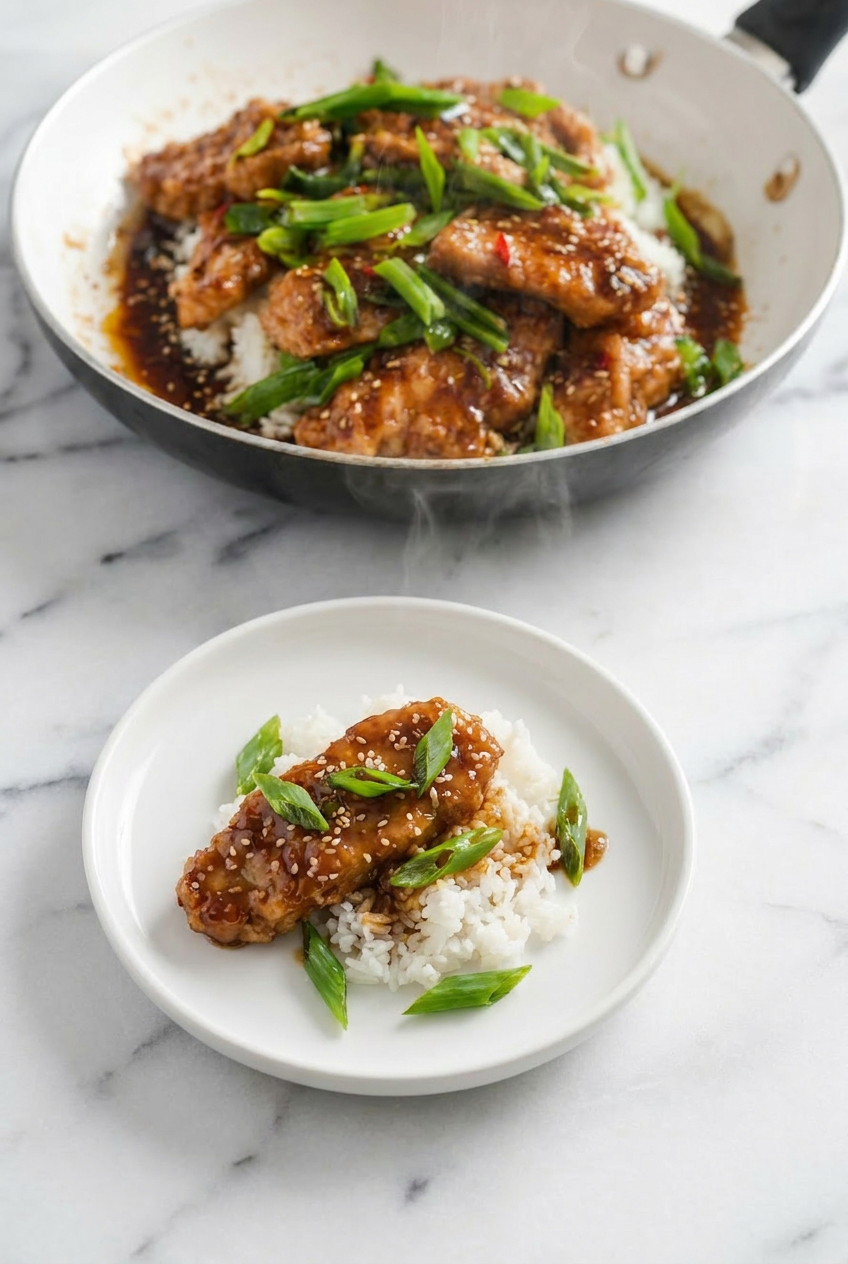
Expert Tips for Flavorful Mongolian Chicken
- For maximum tenderness, always slice the chicken breast thinly against the grain.
- Pat the chicken completely dry before marinating; this helps ensure a good sear.
- Let the sauce bubble for about 30 seconds before thickening to ‘bloom’ the aromatics like garlic and ginger, releasing a deeper flavor.
- Add the scallions at the very end of cooking to keep them crisp, vibrant, and full of fresh flavor.
Common Mistakes to Avoid
- Lumpy Sauce: Never add dry cornstarch directly to hot liquid. Always make a smooth slurry with cold water first to prevent lumps.
- Tough Chicken: Avoid overcooking the chicken. Sear it just until it’s cooked through; it will continue to cook slightly when returned to the sauce.
- Soggy Chicken: Do not skip drying the chicken with paper towels. Excess moisture can prevent browning and a desirable crust.
- Limp Scallions: Don’t add the scallions too early in the cooking process, or they will lose their fresh texture and bright color.
Serving Suggestions and Storage Guide
What to Serve with Mongolian Chicken
- For a lighter meal, serve this over cauliflower rice.
- This dish pairs well with steamed vegetables like broccoli, crisp bok choy, or tender snap peas.
- If you’re looking for a heartier meal, brown rice or quinoa make excellent accompaniments.
- To add more texture and flavor, garnish with extra fresh scallions and a sprinkle of toasted sesame seeds. For another satisfying chicken main course that’s suitable for meal prep, consider trying our recipe for Mediterranean chicken and orzo.
Storage, Meal Prep, and Reheating
Storage: Leftovers can be stored in an airtight container in the refrigerator for up to 4 days, making it convenient for busy weekdays.
Meal Prep: This recipe works well for meal prep. You can portion the chicken and sauce into containers with your chosen side, like cauliflower rice, as the flavors can meld and deepen overnight.
Reheating: When you’re ready to enjoy, reheat gently in a skillet over low heat with a splash of water to loosen the sauce. Alternatively, you can microwave it in 30-second intervals until warmed through.
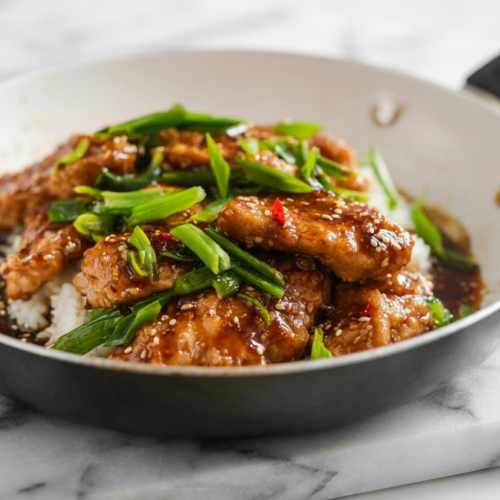
Easy High Protein Low Calorie Mongolian Chicken

Equipment
- Large nonstick skillet or wok
- Medium bowl
- Small bowls
- Whisk
- Paper towels
Ingredients
- 1.5 lb boneless, skinless chicken breasts thinly sliced against the grain
- 1/3 cup low-sodium soy sauce
- 1/3 cup water or low-sodium chicken broth
- 1.5 tablespoons brown sugar or zero-calorie brown sugar substitute
- 1 tablespoon rice vinegar
- 4 cloves fresh garlic minced
- 1 tablespoon fresh ginger finely grated
- 1.5 tablespoons cornstarch divided
- 2 tablespoons cold water for slurry
- 1 tablespoon avocado oil or light olive oil
- 1/2 teaspoon red pepper flakes
- 5 scallions (green onions) cut into 1-inch pieces
- 1 teaspoon sesame seeds
- 1 pinch salt
Instructions
Preparing the Chicken and Sauce
- Pat the boneless, skinless chicken pieces completely dry with paper towels; this helps achieve a good sear. Then, slice them thinly against the grain into even, bite-sized strips. In a medium bowl, toss the chicken with a pinch of salt, 1 tablespoon of the low-sodium soy sauce (taken from the 1/3 cup), and 1/2 tablespoon of the cornstarch. Mix well to ensure each piece is coated. Let this marinate for at least 15 minutes, which helps to tenderize the chicken.
- While the chicken is marinating, whisk together the remaining soy sauce, water or broth, brown sugar substitute, rice vinegar, minced fresh garlic, finely grated fresh ginger, and the red pepper flakes in a small bowl. Set this flavorful sauce aside.
- In another small bowl, mix the remaining 1 tablespoon of cornstarch with 2 tablespoons of cold water until it’s completely smooth and free of any lumps. This smooth mixture is your cornstarch slurry, which will thicken the sauce later.
Cooking the Chicken and Building the Flavor
- Heat a large nonstick skillet or wok over medium-high heat. Add half of the avocado or light olive oil, swirling to coat the pan. You want the oil to be shimmering, indicating it’s hot enough.
- Carefully add half of the marinated chicken to the hot pan in a single layer, making sure not to overcrowd it. Cook for 2 to 3 minutes per side until it turns golden brown and is just cooked through. The cornstarch coating will help give it a crisp crust. Transfer the cooked chicken to a clean plate and repeat this step with the remaining oil and chicken.
- Reduce the heat to medium. If your pan looks a bit dry, you can add a small splash of water to help deglaze. Pour in the prepared sauce mixture and let it bubble gently for about 30 seconds. This step helps to bloom the garlic and ginger, intensifying their aromas and flavors.
- Give the cornstarch slurry a quick stir once more, then pour it into the bubbling sauce while stirring constantly. The sauce will become glossy and thick within 30-60 seconds.
Finishing and Serving
- Return the cooked chicken and any accumulated juices to the pan with the thick sauce. Add the scallions to the pan.
- Toss everything together until the chicken is completely coated in the sticky, savory sauce. Cook for just one minute more, allowing the scallions to turn bright green and slightly wilt, adding freshness.
- Taste the dish and adjust seasoning if needed; perhaps a touch more rice vinegar for brightness or a little extra sweetener for your desired balance. Sprinkle generously with sesame seeds if you like, and serve your delicious Mongolian chicken immediately.
Notes
Nutrition
Frequently Asked Questions
How is this Mongolian chicken recipe lighter than takeout?
This recipe uses lean chicken breast, less added sugar by opting for a zero-calorie brown sugar substitute, and low-sodium soy sauce. These adjustments help reduce the calorie, fat, and sodium content compared to typical restaurant versions, while still delivering satisfying flavor.
How do you get the chicken so tender?
The chicken is tenderized using a technique called velveting. This involves marinating thinly sliced chicken briefly in a mixture that includes soy sauce and cornstarch, which helps it retain moisture during cooking.
Can I add vegetables to this recipe?
Yes, this dish is adaptable. You can add vegetables like broccoli florets, sliced bell peppers, snow peas, or mushrooms. Stir-fry them for a few minutes after searing the chicken, before adding the sauce, to boost nutritional value and add texture.
What can I serve with Mongolian chicken for a low-calorie meal?
For a low-calorie pairing, consider serving your Mongolian chicken over cauliflower rice or with a side of steamed green vegetables like broccoli, bok choy, or green beans. Zucchini noodles are another low-carb option.
How do I store and reheat leftovers?
Store any leftovers in an airtight container in the refrigerator for up to 4 days. To reheat, warm gently in a skillet over low heat with a tablespoon or two of water to help re-emulsify the sauce, or microwave in short bursts until heated through.
Can I make this recipe gluten-free?
Yes, making this recipe gluten-free is simple. Substitute the low-sodium soy sauce with an equal amount of gluten-free tamari or coconut aminos. The rest of the ingredients are naturally gluten-free.